





Tyres
What Is Tyre Balancing, and How Do You Know You Need It?
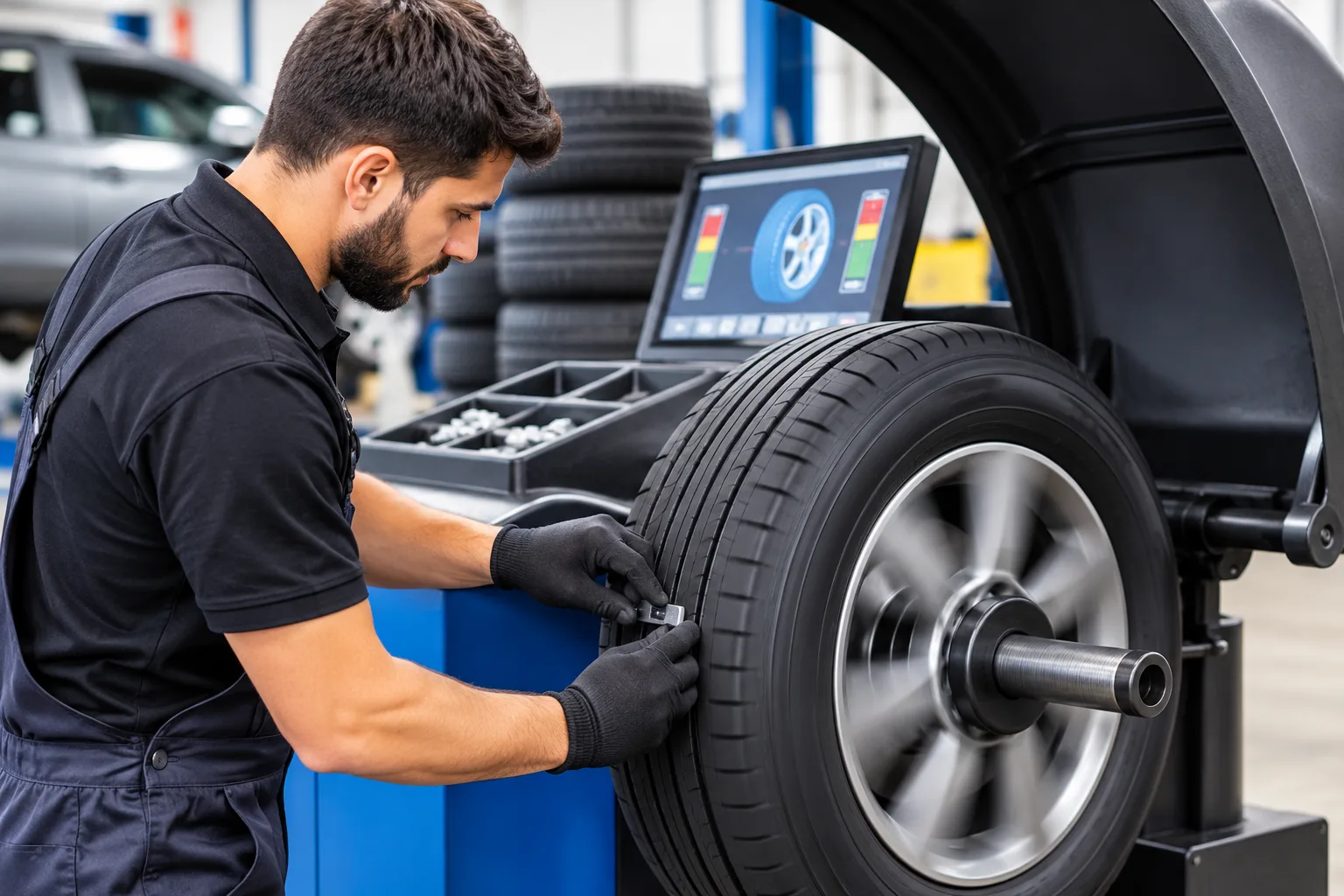
This is where tyre balancing becomes essential. Tyre balancing is a routine vehicle maintenance service that ensures the weight of a tyre and wheel assembly is evenly distributed. Properly balanced tyres help reduce vibrations, improve driving comfort, minimise uneven tyre wear, and support a smoother driving experience.
Whether you drive a passenger car, SUV, or 4x4, understanding tyre balancing and recognising its warning signs can help you maintain your vehicle more effectively.
In this guide, we will explain what tyre balancing is, how it works, why it matters, and when you should consider getting your tyres balanced.
What Is Tyre Balancing?
Tyre balancing is a maintenance process that ensures the weight of a tyre and its wheel is evenly distributed around the entire circumference. When a tyre is manufactured and fitted onto a wheel, small weight differences can occur. These differences may seem insignificant, but they can cause vibrations when the wheel rotates at higher speeds.
To correct this imbalance, technicians use a specialised machine called a wheel balancing machine. The machine spins the wheel and identifies areas where additional weight is required to achieve proper balance.
Small balancing weights are then attached to specific positions on the wheel. These weights help compensate for uneven weight distribution, allowing the tyre and wheel assembly to rotate smoothly.
Proper tyre balancing helps maintain consistent contact with the road and reduces unnecessary vibrations while driving.
How Does Tyre Balancing Work?
Tyre balancing is generally a straightforward process performed by trained tyre technicians using specialised equipment.
Here is how the process typically works:
1. Removing the Wheel
The technician removes the wheel from the vehicle and checks the tyre and rim for visible damage, dirt, or other issues that could affect balancing accuracy.
2. Mounting the Wheel on the Balancing Machine
The wheel and tyre assembly is mounted onto a wheel balancing machine. The machine spins the assembly to identify any weight differences.
3. Identifying Weight Imbalances
The machine detects the areas where the wheel assembly is heavier or lighter than required. It also indicates the amount of corrective weight needed and where it should be positioned.
4. Adding Balancing Weights
Small metal or adhesive weights are attached to the appropriate positions on the wheel. These weights compensate for uneven weight distribution.
5. Rechecking the Balance
The wheel is spun again to confirm that the imbalance has been corrected. Once the readings are within the required specifications, the wheel can be refitted to the vehicle.
This process helps ensure that your tyres rotate evenly and deliver a smoother driving experience.
7 Common Signs That Your Vehicle Needs Tyre Balancing
Recognising the warning signs of unbalanced tyres can help you address the problem before it affects your driving comfort or causes additional tyre wear.
Here are seven common indicators to watch for.
1. Vibrations in the Steering Wheel
One of the most common signs of unbalanced tyres is vibration in the steering wheel. You may notice the steering wheel shaking when driving at certain speeds, particularly on highways.
These vibrations can become more noticeable as your vehicle accelerates. If you experience this issue, getting your wheel and tyre assembly inspected is a good idea.
2. Vibrations Throughout the Vehicle
Sometimes, tyre imbalance does not only affect the steering wheel. You may also feel vibrations through the vehicle's floor, seats, or dashboard.
This can make longer journeys uncomfortable and may indicate that one or more wheels require balancing.
3. Uneven Tyre Wear
Unbalanced tyres can contribute to irregular tyre wear patterns over time. When a wheel does not rotate smoothly, it may create additional movement and vibration that affects tyre wear.
Inspect your tyres regularly for unusual wear patterns. Addressing balancing issues early can help support more consistent tyre performance.
4. Reduced Driving Comfort
A smooth driving experience depends on several factors, including suspension condition, wheel alignment, and tyre balance.
If your vehicle feels less comfortable than usual, particularly at higher speeds, unbalanced tyres could be one possible cause.
5. Steering Wheel Shaking at Higher Speeds
If your steering wheel remains relatively stable at lower speeds but starts shaking when you drive faster, tyre imbalance may be responsible.
This is particularly noticeable during highway driving. However, other problems, such as damaged wheels or suspension components, can cause similar symptoms.
6. Increased Noise and Vibration
Unbalanced tyres can create additional vibration while driving, which may contribute to unusual road noise.
If you notice new sounds or vibrations coming from your wheels, have your tyres and wheel assemblies inspected to identify the underlying issue.
7. After Installing New Tyres
New tyres should be properly balanced during installation. Even brand-new tyres can have minor weight differences that need correction.
If you have recently replaced your tyres and notice vibrations afterwards, return to a professional tyre technician for a balancing check.
Why Is Tyre Balancing Important?
Tyre balancing is not just about improving driving comfort. It also contributes to maintaining your vehicle's overall performance.
Here are some important benefits of keeping your tyres properly balanced.
1. Improves Driving Comfort
Balanced tyres rotate smoothly, helping reduce unwanted vibrations in the steering wheel, seats, and vehicle body. This makes everyday driving and longer journeys more comfortable.
2. Helps Reduce Uneven Tyre Wear
Proper balancing reduces vibrations caused by uneven weight distribution. This can help minimise certain irregular tyre wear patterns and support longer tyre life.
3. Supports Better Vehicle Handling
Unnecessary wheel vibrations can affect the driving experience. Properly balanced tyres help maintain smoother wheel rotation and more consistent vehicle behaviour.
4. Reduces Stress on Suspension Components
Continuous vibrations can place additional stress on certain vehicle components, including suspension and steering systems. Correcting tyre imbalance helps reduce vibrations that may contribute to unnecessary mechanical wear.
5. Improves Highway Driving Experience
When travelling at higher speeds, even minor tyre imbalances can become noticeable. Proper balancing helps maintain a smoother and more comfortable highway driving experience.
When Should You Get Your Tyres Balanced?
There is no single mileage interval that applies to every vehicle. Your tyre balancing requirements depend on driving conditions, tyre condition, road quality, and manufacturer recommendations.
-
After installing new tyres: New tyre and wheel assemblies should be balanced during installation.
-
After repairing a tyre: A puncture repair or other tyre work may require a balancing check.
-
When you notice vibrations: Steering wheel shaking or vehicle vibrations can indicate an imbalance.
-
After hitting potholes: Strong impacts can damage wheels or affect wheel balance.
-
During tyre rotation: It is a good opportunity to inspect tyre balance and check whether balancing is required.
-
Get Professional Tyre Balancing Services at Grip & Go Tyres
When replacing or repairing wheels: Changes to the wheel and tyre assembly may affect its balance.
Regular tyre inspections can help identify potential problems before they become more noticeable.
What Happens If You Ignore Unbalanced Tyres?Ignoring tyre imbalance can affect your vehicle's comfort and overall driving experience.
Over time, continued vibrations may contribute to irregular tyre wear, reduced driving comfort, and additional stress on certain steering and suspension components.
You may also experience more noticeable shaking when driving at highway speeds, making longer journeys less comfortable.
Although tyre imbalance does not always indicate a serious mechanical problem, it should not be ignored. Getting your tyres inspected and balanced when necessary can help prevent avoidable wear and maintain smoother vehicle operation.
Maintaining properly balanced tyres is essential for a smoother and more comfortable driving experience. Whether you are installing new tyres, experiencing steering wheel vibrations, or noticing unusual tyre wear, professional inspection can help identify the issue.
At Grip & Go Tyres, we understand the importance of maintaining your vehicle's tyres for everyday driving and long-distance journeys. Our team provides professional tyre services, including tyre fitting, wheel balancing, tyre rotation, wheel alignment, puncture repairs, and tyre replacement.
With 10,000+ tyres fitted across Melbourne and multiple locations, we help drivers find suitable tyre solutions for their vehicles. Whether you drive a passenger car, SUV, or 4x4, our team can assist with your tyre maintenance requirements.
Visit Grip & Go Tyres at Footscray, Melton, Clayton, Springvale, Sunshine, or Geelong for professional tyre services.
Frequently Asked Questions (FAQs)
1. What is tyre balancing?
Tyre balancing is the process of correcting uneven weight distribution between a tyre and its wheel. Technicians use a balancing machine and small weights to ensure the assembly rotates smoothly, reducing unwanted vibrations.
2. How do I know if my tyres need balancing?
Common signs include steering wheel vibrations, shaking at higher speeds, unusual vehicle vibrations, uneven tyre wear, and reduced driving comfort. A professional inspection can confirm whether balancing is required.
3. How often should I get my tyres balanced?
Tyres should be balanced whenever new tyres are installed and whenever symptoms of imbalance appear. It is also worth checking tyre balance during routine tyre maintenance or after significant wheel impacts.
4. Is tyre balancing the same as wheel alignment?
No. Tyre balancing corrects uneven weight distribution in the wheel and tyre assembly, while wheel alignment adjusts the angles of your vehicle's wheels. Both services help maintain proper tyre performance but address different problems.
5. Can unbalanced tyres affect tyre life?
Yes. Unbalanced tyres can contribute to vibrations and irregular tyre wear, potentially reducing tyre life. Getting your tyres inspected and balanced when necessary can help minimise unnecessary wear and maintain a smoother driving experience.
- Share this:

-


