





Wheels
Steel Wheels for Off-Road Driving: Types, Benefits, Features and Buying Guide
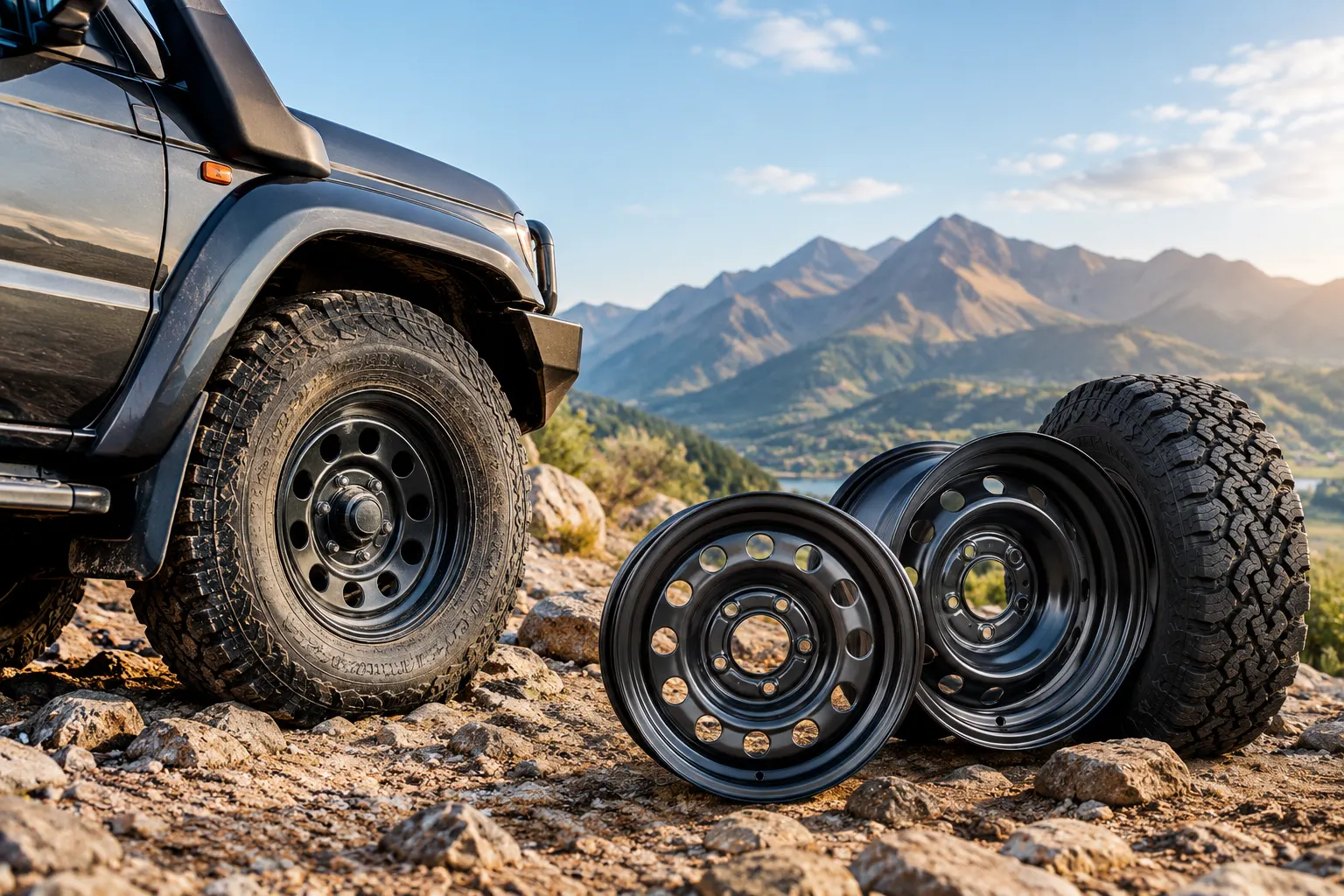
Understanding the different types of steel wheels, their advantages, and the features to consider before purchasing can help you make an informed decision. This guide explores everything you need to know about steel wheels for off-road driving.
What Are Steel Wheels?
Steel wheels are vehicle wheels manufactured primarily from stamped and formed steel components. They are commonly used on cars, SUVs, utility vehicles, and 4x4 vehicles because of their sturdy construction and practical design.
Compared with alloy wheels, steel wheels are generally heavier and often more affordable. Their ability to withstand certain impacts without cracking makes them attractive for drivers who regularly travel on rough roads. However, their performance depends on wheel construction, specifications, terrain, and driving conditions.
For off-road applications, it is essential to select steel wheels designed and approved for your particular vehicle and intended use.
Types of Steel Wheels for Off-Road Driving
Different steel wheel designs serve different vehicle requirements. Understanding these options can help you choose a suitable set for your off-road adventures.
1. Standard Steel Wheels
Standard steel wheels are widely used on passenger vehicles and some utility vehicles. They feature a straightforward construction and are often chosen for their affordability and practicality.
They can be suitable for light off-road driving on gravel roads, rural tracks, and relatively smooth trails when their specifications meet the vehicle manufacturer's requirements.
2. Heavy-Duty Steel Wheels
Heavy-duty steel wheels are designed for applications requiring robust construction and suitable load capacity. Depending on their specifications, they may be appropriate for certain 4x4 vehicles, work vehicles, and utility applications.
Before purchasing, check the wheel's load rating, approved vehicle fitment, and compatibility with your tyres. A heavy-duty appearance alone does not guarantee suitability for demanding off-road use.
3. Off-Road Steel Wheels
Off-road steel wheels are designed for compatible SUVs and 4x4 vehicles used on challenging terrain. Depending on the model, they may offer reinforced construction, specific offset options, and finishes suited to outdoor use.
Always confirm whether the wheel is intended for your vehicle and the type of terrain you regularly encounter.
4. Beadlock-Style Wheels
Beadlock-style wheels are associated with specialist off-road driving. A true beadlock design mechanically secures the tyre bead to the wheel, helping reduce the risk of bead separation at suitable low tyre pressures.
Not every wheel with a beadlock-inspired appearance is a functional beadlock wheel. These systems require careful selection, correct installation, and an understanding of local road-use regulations.
Benefits of Steel Wheels for Off-Road Driving
Steel wheels offer several practical advantages, particularly for drivers who prioritize affordability and serviceability.
Durability on Rough Terrain
Steel wheels can deform under certain impacts rather than cracking immediately. This characteristic may make them a practical option for driving over gravel, uneven tracks, and rough surfaces. However, severe impacts can damage steel wheels too, so regular inspection remains important.
Cost-Effective Choice
Steel wheels are often more affordable than comparable alloy wheels. This makes them appealing to drivers who need a practical replacement set, a dedicated off-road setup, or wheels for a work vehicle.
Easier Repair in Some Cases
Depending on the damage and manufacturer guidance, certain steel wheel deformations may be repairable by a qualified professional. Cracks, severe bends, or damage affecting structural integrity can make a wheel unsafe, so replacement may be necessary.
Practical Appearance
Steel wheels usually have a simple, functional design that suits many 4x4 vehicles and utility-focused builds. Their understated appearance is popular among drivers who prefer a rugged look over elaborate styling.
Suitable Options for Utility Vehicles
Steel wheels are available in specifications for various SUVs, 4x4 vehicles, and utility applications. The correct combination of wheel dimensions, load rating, and tyre compatibility is essential for safe performance.
Key Features to Consider When Buying Steel Wheels
Choosing steel wheels involves more than selecting a design or comparing prices. Pay attention to the following specifications before making a purchase.
Wheel Size and Diameter
Choose a wheel diameter approved for your vehicle and compatible with your intended tyres. Changing wheel dimensions can affect tyre clearance, handling, braking, and speedometer accuracy.
Bolt Pattern
The bolt pattern must match your vehicle's hub. An incorrect bolt pattern can prevent proper mounting and create serious safety risks.
Offset and Backspacing
Wheel offset and backspacing influence how the wheel sits relative to the suspension and bodywork. Incorrect measurements can cause rubbing, clearance issues, or changes in vehicle handling.
Load Rating
Check that the wheel's load rating meets the requirements of your vehicle, including its intended payload and operating conditions. This is especially important for 4x4s carrying camping equipment, tools, or other heavy cargo.
Corrosion Protection
Off-road driving may expose wheels to moisture, mud, stones, and road contaminants. A suitable protective finish can help reduce corrosion, although damaged coatings should be inspected and maintained.
Brake and Suspension Clearance
Make sure the selected wheel provides adequate clearance for the brakes, suspension components, and other vehicle parts. Professional fitment checks are recommended when changing wheel specifications.
Steel Wheels vs Alloy Wheels for Off-Road Driving
Steel and alloy wheels each have advantages, and neither is automatically the best option for every off-road vehicle.
Steel wheels are generally heavier and often more affordable. They may be a practical choice for budget-conscious drivers, utility vehicles, and certain rough-road applications.
Alloy wheels are usually lighter and available in a broader range of designs. Lower unsprung weight can benefit vehicle response and suspension performance, depending on the wheel and vehicle combination.
Your choice should depend on the terrain, vehicle specifications, load requirements, driving style, budget, and manufacturer's recommendations.
How to Maintain Steel Wheels for Off-Road Use
Proper maintenance helps preserve wheel condition and supports safer driving.
-
Inspect wheels after driving over rocks, potholes, or particularly rough trails.
-
Check for bends, cracks, corrosion, and damage around the mounting holes.
-
Clean away mud, dirt, and debris that may hide damage.
-
Maintain tyre pressures according to the driving conditions and tyre manufacturer's guidance.
-
Check wheel nuts for correct torque according to the vehicle manufacturer's specifications.
-
Have damaged wheels assessed by a qualified tyre or wheel professional.
-
Recheck wheel fitment and tyre clearance after changing wheel or suspension specifications.
Never continue driving on a wheel that shows signs of serious structural damage.
Where to Find Quality Steel Wheels
When purchasing steel wheels, choose a tyre and wheel specialist who can help verify compatibility with your vehicle. Ask about available sizes, load ratings, bolt patterns, offsets, warranty coverage, and whether the wheels are suitable for your intended driving conditions.
Well-known tyre brands such as Bridgestone, Dunlop, Pirelli, Continental, and Michelin offer products across different tyre categories. However, these companies are primarily known for tyres, and their inclusion does not mean that every brand offers steel wheels. Confirm the actual wheel manufacturer, product specifications, and availability before purchasing.
A professional supplier can also help you select compatible tyres for your steel wheels, ensuring that the complete setup meets your vehicle's requirements.
Conclusion
Steel wheels can be a practical option for off-road driving because of their robust construction, affordability, and potential repairability in certain circumstances. Choosing the right type requires careful attention to wheel size, bolt pattern, offset, load rating, and compatibility with your vehicle and tyres. Regular inspections and proper maintenance are equally important for safe performance on challenging terrain.
Grip and Go Tyres can help drivers explore suitable tyre and wheel options for their vehicles. Whether you are preparing a 4x4 for weekend adventures or looking for practical wheel solutions for everyday driving, consult the team to discuss your requirements and find a setup suited to your vehicle.
Frequently Asked Questions
1. Are steel wheels good for off-road driving?
Steel wheels can be suitable for off-road driving because they are generally durable, affordable, and sometimes repairable when moderately deformed. The right choice depends on the wheel's specifications and the vehicle's intended use.
2. Are steel wheels better than alloy wheels for 4x4 vehicles?
Not always. Steel wheels are often heavier and more affordable, while alloy wheels are generally lighter. The better option depends on terrain, load requirements, vehicle compatibility, budget, and driving preferences.
3. Can steel wheels handle rocky terrain?
Suitable steel wheels can be used on rocky terrain, provided they meet the vehicle's load and fitment requirements. Severe impacts can damage any wheel, so inspect wheels and tyres after demanding off-road trips.
4. How do I choose the correct steel wheels for my SUV?
Check the approved wheel diameter, width, bolt pattern, offset, load rating, brake clearance, and tyre compatibility. Consult a qualified wheel or tyre specialist if you are unsure about fitment.
- Share this:

-