





Tyres
Steel Wheels for 4x4s: Benefits, Features and Buying Guide
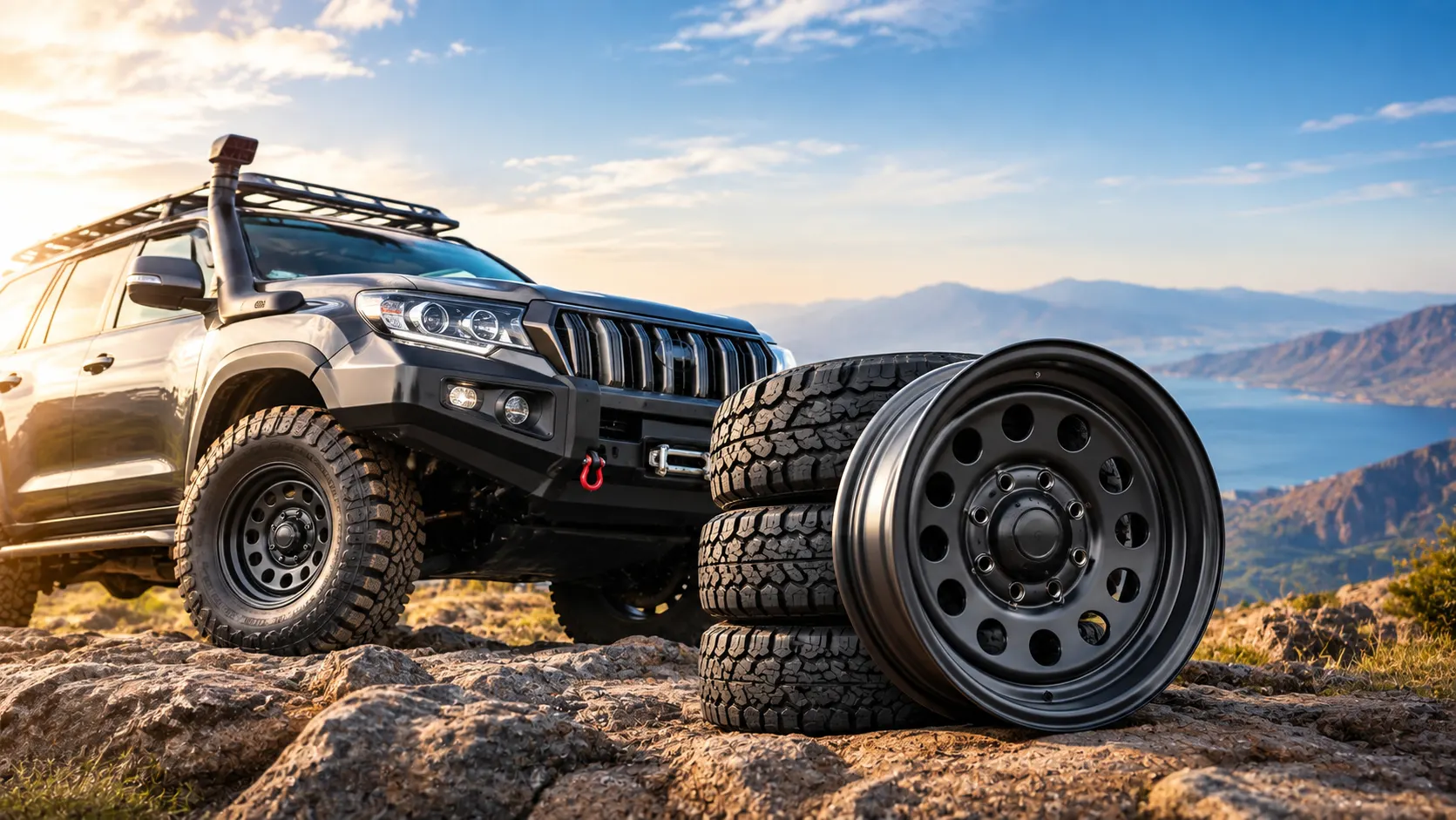
Whether you regularly drive on rough tracks, use your 4x4 for work, travel long distances, or simply want a dependable wheel setup, steel wheels can offer several advantages. They are designed to withstand demanding driving conditions and can be particularly useful for off-road applications.
But are steel wheels right for your 4x4? Understanding their benefits, features, limitations and important buying considerations can help you make a more informed decision.
What Are Steel Wheels?
Steel wheels are wheels manufactured primarily from steel and are designed to support the vehicle's tyres while handling the loads generated during driving. Compared with many alloy wheels, steel wheels typically have a simpler construction and are known for their toughness.
They are commonly found on work vehicles, commercial 4x4s, SUVs and vehicles used in off-road environments.
Steel wheels are available in different diameters, widths, bolt patterns, offsets and load ratings, so choosing a wheel that matches your specific vehicle is essential.
Benefits of Steel Wheels for 4x4s
1. Excellent Durability
One of the biggest advantages of steel wheels is their durability. 4x4s can encounter potholes, gravel, rocks, uneven tracks and other challenging surfaces. Steel wheels are well suited to demanding conditions because they can tolerate impacts that may damage less robust wheel designs.
For drivers who frequently travel on rough roads or off-road trails, this durability can be an important consideration.
2. Suitable for Off-Road Driving
Off-road driving can place considerable stress on wheels and tyres. A 4x4 travelling over rocky or uneven terrain needs wheels capable of handling changing loads and impacts.
Steel wheels are commonly considered for off-road applications because of their robust construction. They can be paired with suitable all-terrain or mud-terrain tyres to create a setup designed for challenging terrain.
3. Cost-Effective Option
Steel wheels are generally positioned as a more economical wheel option than many premium alloy wheels. This makes them attractive to 4x4 owners looking to replace damaged wheels, purchase an additional set for off-road use, or upgrade their vehicle without spending heavily on wheels.
The overall cost will depend on the wheel size, specifications, brand and vehicle compatibility.
4. Easier to Repair in Some Situations
A severe impact can deform a wheel. Steel wheels can sometimes be straightened or repaired after certain types of damage, depending on the severity and the wheel's condition.
However, a damaged wheel should always be professionally inspected before being reused. If its structural integrity has been compromised, replacement may be safer than repair.
5. Practical for Work and Commercial 4x4s
4x4s used for trades, construction, agriculture, towing and other demanding applications often need practical equipment rather than purely cosmetic upgrades.
Steel wheels can provide a straightforward solution for vehicles that regularly carry loads or operate in tough environments, provided the wheels meet the vehicle's required load and fitment specifications.
Key Features to Consider When Buying Steel Wheels
Choosing steel wheels isn't simply about selecting a design that looks good. Several technical specifications need to match your 4x4.
Wheel Diameter
Wheel diameter refers to the size of the wheel itself, such as 16, 17 or 18 inches.
The correct diameter depends on your vehicle and intended tyre size. Changing wheel diameter can affect tyre selection, ride characteristics and overall vehicle setup.
Wheel Width
Wheel width determines which tyre sizes can be safely fitted to the wheel. A wider wheel isn't automatically better for off-road driving.
Consider the vehicle manufacturer's specifications and the tyre manufacturer's approved fitment range before selecting a width.
Bolt Pattern
The bolt pattern must match your vehicle.
For example, a wheel designed for one 4x4's bolt pattern may not fit another vehicle, even if the diameter appears correct. Always check the number of studs and the relevant pitch-circle measurement before purchasing.
Offset
Wheel offset determines how far the wheel sits inward or outward relative to its mounting surface.
Changing offset can affect clearance around the suspension, brakes, guards and steering components. An unsuitable offset may also create handling or clearance problems.
Load Rating
Load rating is particularly important for 4x4s.
A wheel needs to be capable of supporting the loads placed on the vehicle. If your 4x4 regularly carries equipment, passengers or towing loads, check that the selected wheels have an appropriate load rating.
Brake Clearance
The wheel must provide sufficient clearance around the vehicle's brake components.
This is especially important when changing wheel sizes or fitting aftermarket wheels. A wheel can have the correct bolt pattern but still fail to provide adequate brake clearance.
Are Steel Wheels Good for Off-Road 4x4s?
Steel wheels can be a practical option for off-road 4x4s because of their robust construction and relatively straightforward design.
However, the wheel alone doesn't determine off-road performance.
Your tyre type, tyre pressure, suspension setup, ground clearance, vehicle weight and driving technique all influence how the vehicle performs off-road.
For example, fitting a suitable all-terrain or mud-terrain tyre to a correctly specified steel wheel may be more appropriate for certain off-road conditions than simply changing the wheel.
How to Choose the Right Steel Wheels for Your 4x4
Before purchasing, consider the following checklist:
1. Check your vehicle specifications: Confirm the recommended wheel diameter, width, bolt pattern, offset and load requirements.
2. Consider how you drive: Decide whether your 4x4 is primarily used for city driving, highway trips, towing, work or off-road adventures.
3. Choose the right tyre combination: Make sure your chosen wheel works with the tyre size and type you intend to use.
4. Check clearance: Confirm that the wheels provide adequate clearance around brakes, suspension and bodywork.
5. Consider load requirements: Select wheels with an appropriate load rating for your vehicle and typical usage.
6. Inspect wheel quality: Look for properly manufactured wheels with suitable specifications and finish.
7. Get professional fitting: Correct installation helps ensure appropriate wheel mounting, tyre fitting and balancing.
Maintaining Steel Wheels
Although steel wheels are durable, regular maintenance is still important.
Inspect the wheels for visible bends, cracks, corrosion or other damage, particularly after driving over rough terrain. Keep the wheel and tyre assembly clean and check tyre pressures regularly.
Wheel nuts should also be checked and torqued according to the vehicle manufacturer's specifications.
If you notice vibration, steering changes or unusual tyre wear after an impact, have the wheel and tyre assembly inspected by a qualified professional.
Choosing the Right Tyres for Your Steel Wheels
Your wheel and tyre combination should be considered as a complete setup. For 4x4 applications, you may choose between highway-terrain, all-terrain and mud-terrain tyres depending on how and where the vehicle is driven.
Highway-terrain tyres can be suitable for drivers who spend most of their time on sealed roads. All-terrain tyres provide a balance for mixed road and off-road use, while mud-terrain tyres are designed for more aggressive off-road conditions.
The correct choice depends on your driving requirements, vehicle specifications and the terrain you regularly encounter.
Conclusion
Steel wheels for 4x4s can be a practical choice for drivers looking for durability, affordability and a dependable wheel option for everyday work or demanding driving conditions. Their robust construction makes them particularly popular among 4x4 owners who regularly encounter rough roads, gravel tracks and off-road terrain.
Before purchasing, always consider important specifications such as wheel diameter, width, bolt pattern, offset, load rating and brake clearance. Pairing the wheels with the right tyres is equally important for achieving the handling and traction characteristics you need.
For drivers looking for 4x4 tyres, wheels and tyre packages in Melbourne, Grip & Go Tyres can help you explore suitable options based on your vehicle and driving requirements. From everyday driving to off-road applications, choosing the right wheel and tyre combination can help you get more from your 4x4.
Frequently Asked Questions (FAQs)
1. Are steel wheels good for 4x4 vehicles?
Yes. Steel wheels can be a practical choice for 4x4 vehicles because they are known for their robust construction and are commonly used in work, commercial and off-road applications. The correct wheel must still meet the vehicle's fitment and load requirements.
2. Are steel wheels better than alloy wheels for off-road driving?
Steel and alloy wheels have different characteristics. Steel wheels are generally known for their toughness and affordability, while alloy wheels are typically lighter and available in many designs. The best option depends on the vehicle, terrain, load requirements and intended use.
3. What should I check before buying steel wheels for a 4x4?
Check the wheel diameter, width, bolt pattern, offset, load rating and brake clearance. You should also make sure the wheels are compatible with your chosen tyre size and meet the requirements of your specific 4x4.
4. Can steel wheels be used with all-terrain tyres?
Yes. Steel wheels can be paired with suitable all-terrain tyres as long as the wheel and tyre sizes, load ratings and fitments are compatible with the vehicle. Professional fitting is recommended to ensure the combination is correctly installed.
5. How do I maintain steel wheels on a 4x4?
Regularly inspect steel wheels for bends, cracks, corrosion and impact damage. Keep them clean, maintain correct tyre pressures and ensure wheel nuts are correctly torqued. Have the wheels inspected after significant impacts or if you experience unusual vibration.
- Share this:

-