





Tyres
How to Choose the Right Alloy Wheels for Your Vehicle
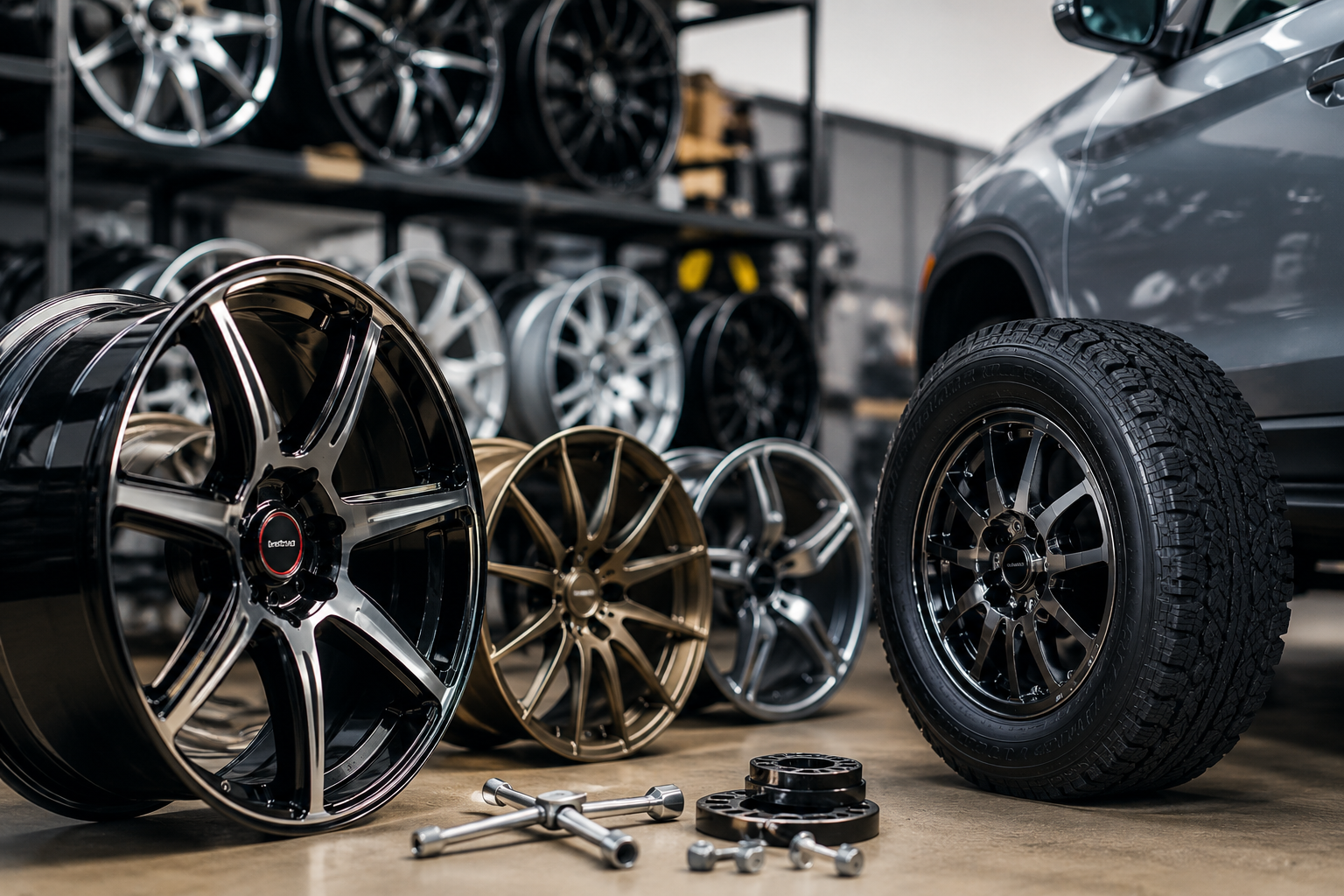
Choosing the right alloy wheels is more than just upgrading the appearance of your vehicle. The right set of alloy wheels can improve handling, braking performance, fuel efficiency, and overall driving comfort. However, with so many sizes, designs, finishes, and fitment options available, selecting the perfect alloy wheels can feel overwhelming.
Whether you drive a passenger car, SUV, or 4x4, this guide will help you understand everything you need to know before buying alloy wheels.
Why Choose Alloy Wheels?
Alloy wheels are manufactured using lightweight metals such as aluminum or magnesium. Compared to traditional steel wheels, alloy wheels offer several advantages.
Some of the key benefits include:
- Improved vehicle handling
- Better heat dissipation for enhanced braking performance
- Reduced overall vehicle weight
- Enhanced fuel efficiency
- Stylish and modern appearance
- Increased resale value
For drivers who want both performance and aesthetics, alloy wheels are an excellent investment.
Understand Your Vehicle's Wheel Specifications
Before purchasing alloy wheels, it's important to know your vehicle's specifications. Choosing the wrong size or fitment can negatively affect safety and performance.
Here are the main specifications to check:
Wheel Diameter
Wheel diameter is measured in inches and must match the tyre size recommended by your vehicle manufacturer.
Common sizes include:
- 15-inch
- 16-inch
- 17-inch
- 18-inch
- 20-inch
Larger wheels generally provide a sportier appearance, while smaller wheels often offer a smoother ride.
Wheel Width
The width of the wheel determines which tyre sizes can be safely fitted.
A wider wheel provides:
- Better cornering stability
- Improved grip
- More aggressive appearance
However, excessively wide wheels may reduce fuel efficiency and ride comfort.
Bolt Pattern (PCD)
The bolt pattern, also known as Pitch Circle Diameter (PCD), refers to the number of wheel bolts and the diameter of the circle they form.
For example:
- 5x114.3
- 5x120
- 6x139.7
Your new alloy wheels must have the correct bolt pattern to fit your vehicle safely.
Offset
Wheel offset determines how far the wheel sits inside or outside the wheel arch.
There are three types:
- Positive Offset
- Zero Offset
- Negative Offset
Choosing the correct offset ensures:
- Proper steering geometry
- Adequate suspension clearance
- Improved vehicle stability
Centre Bore
The centre bore is the hole in the middle of the wheel that fits over the vehicle's hub.
A proper hub-centric fit reduces wheel vibration and improves driving comfort.
Choose the Right Alloy Wheel Material
Not all alloy wheels are manufactured the same way.
Cast Alloy Wheels
These are the most common and affordable option.
Advantages include:
- Cost-effective
- Lightweight
- Wide variety of designs
Perfect for everyday driving.
Forged Alloy Wheels
Forged wheels are made under extreme pressure, making them stronger and lighter than cast wheels.
Benefits include:
- Higher strength
- Reduced weight
- Better durability
- Improved performance
Ideal for sports cars and performance enthusiasts.
Consider Your Driving Style
Your driving habits should influence your alloy wheel selection.
Daily Driving
Choose wheels that prioritize:
- Comfort
- Durability
- Fuel efficiency
Medium-sized alloy wheels usually offer the best balance.
Highway Driving
For long-distance travel, look for:
- Lightweight wheels
- Strong construction
- Corrosion-resistant finishes
These help improve fuel economy while maintaining ride quality.
Off-Road Driving
If you frequently drive on rough terrain, select alloy wheels designed specifically for off-road use.
Features to consider include:
- Reinforced construction
- Scratch-resistant coating
- High load capacity
Pick the Right Finish
The finish affects both appearance and maintenance.
Popular options include:
Machined Finish
Offers a premium polished appearance.
Suitable for:
- Luxury vehicles
- SUVs
Gloss Black
Provides a modern and sporty look.
Ideal for:
- Performance cars
- 4WDs
Matte Black
Popular among off-road enthusiasts because scratches are less noticeable.
Silver Finish
A timeless option that complements almost every vehicle colour.
Bronze Finish
Increasingly popular on sports cars and modified 4WD vehicles.
Match Alloy Wheels with Your Tyres
The best results come from pairing the right alloy wheels with the appropriate tyres.
For example:
- Highway tyres work well with stylish street alloy wheels.
- All-terrain tyres pair well with rugged alloy wheels.
- Mud terrain tyres require stronger off-road-specific wheels.
Selecting compatible wheels and tyres improves:
- Vehicle stability
- Ride comfort
- Safety
- Overall performance
Consider Vehicle Load Ratings
SUVs, commercial vehicles, and 4WDs require alloy wheels capable of supporting heavier loads.
Always verify:
- Maximum load rating
- Manufacturer certification
- Australian safety standards
Never choose wheels based solely on appearance.
Think About Maintenance
Some finishes require more maintenance than others.
To keep alloy wheels looking new:
- Wash regularly using pH-neutral cleaners.
- Avoid harsh chemicals.
- Remove brake dust frequently.
- Inspect for cracks or curb damage.
- Rotate tyres as recommended.
Regular maintenance extends the lifespan of both your wheels and tyres.
Budget vs Premium Alloy Wheels
While budget alloy wheels may seem attractive due to their lower price, premium wheels generally offer better:
- Durability
- Finish quality
- Strength
- Corrosion resistance
- Warranty support
Rather than choosing the cheapest option, consider long-term value and reliability.
Common Mistakes to Avoid
Avoid these common errors when purchasing alloy wheels:
- Choosing the wrong wheel size
- Ignoring bolt pattern compatibility
- Selecting an incorrect offset
- Buying wheels without checking load ratings
- Prioritizing appearance over safety
- Purchasing low-quality replicas
- Forgetting tyre compatibility
Professional advice can help prevent costly mistakes.
Conclusion
At Grip & Go Tyres, we offer a wide range of premium alloy wheels from leading brands to suit passenger vehicles, SUVs, 4WDs, and commercial vehicles. Our experienced team can help you select the perfect wheel size, fitment, and style to match your driving needs and budget. Whether you're upgrading your vehicle for everyday driving or off-road adventures, Grip & Go Tyres is your trusted destination for quality alloy wheels, expert advice, and professional fitting services across Melbourne.
Frequently Asked Questions (FAQs)
1. How do I know which alloy wheels fit my vehicle?
Check your vehicle's wheel diameter, width, bolt pattern (PCD), offset, and centre bore. You can also consult a wheel specialist to ensure proper fitment.
2. Are alloy wheels better than steel wheels?
Yes, alloy wheels are generally lighter, improve handling, enhance braking performance, and offer a more stylish appearance. Steel wheels, however, are often preferred for heavy-duty applications due to their durability.
3. Can I install larger alloy wheels on my car?
Yes, but the new wheels must be compatible with your vehicle's specifications. Upsizing should maintain the correct overall tyre diameter to preserve speedometer accuracy and driving performance.
4. Do alloy wheels improve fuel efficiency?
Because alloy wheels are lighter than steel wheels, they can reduce unsprung weight, which may improve fuel efficiency and vehicle handling, particularly during city and highway driving.
5. How often should alloy wheels be cleaned and inspected?
- Share this:

-