





Tyres
How Long Do Brake Pads Last? Replacement Guide
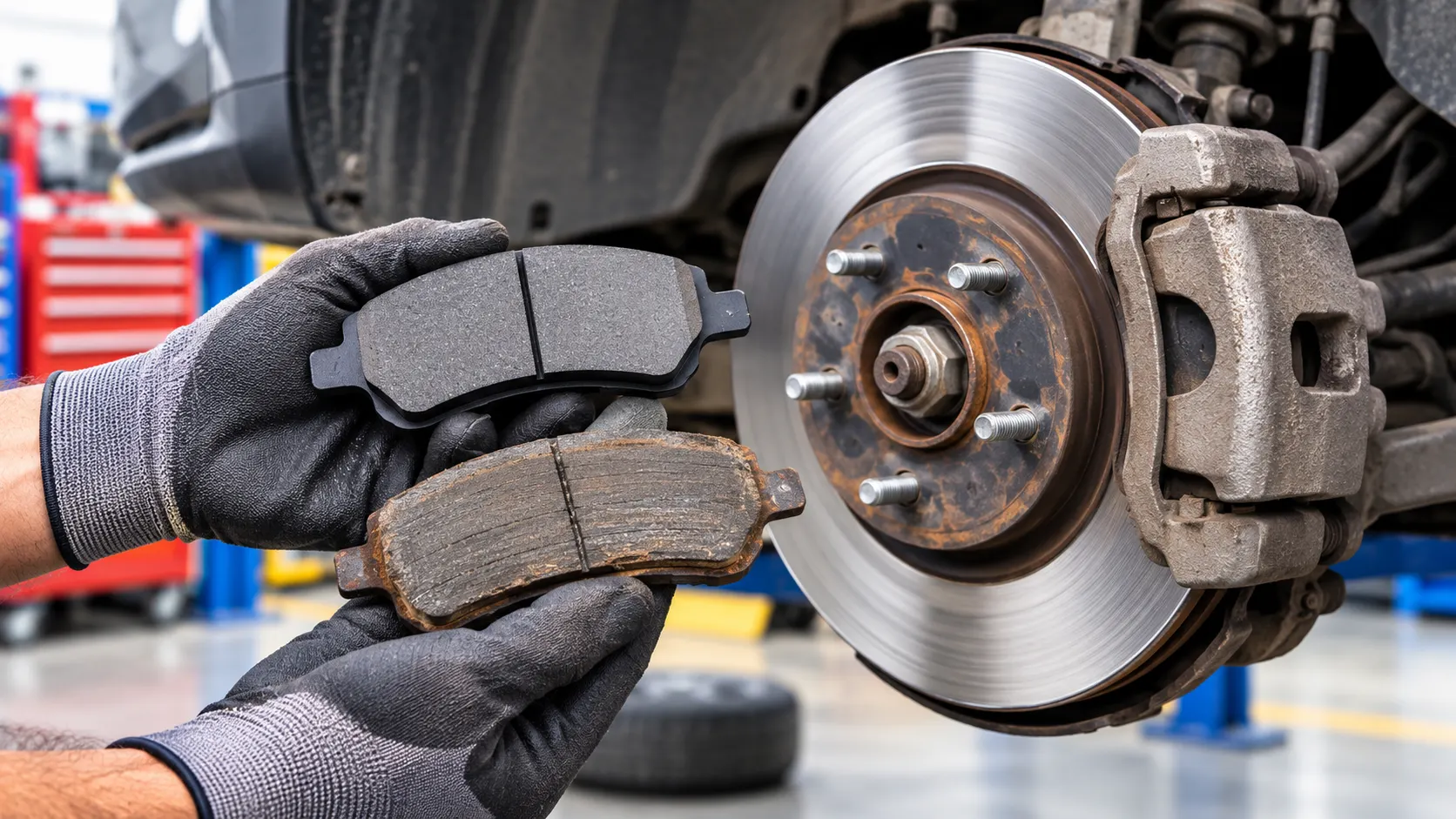
One common question among drivers is: How long do brake pads really last? Generally, brake pads last between 30,000 and 70,000 kilometres, depending on driving habits, road conditions, vehicle type, and brake pad material.
Understanding when to replace your brake pads can help prevent expensive repairs, improve braking performance, and keep you safe while driving. In this guide, we will explore brake pad lifespan, common warning signs, factors affecting wear, and when to get your brakes inspected.
How Long Do Brake Pads Typically Last?
Brake pad lifespan varies depending on the vehicle and driving conditions. Most standard brake pads last approximately 30,000 to 70,000 kilometres, although some premium options may last longer.
7 Common Signs Your Brake Pads Need Replacement
Recognising early warning signs of brake pad wear can help prevent brake system damage and improve road safety.
Squealing or Squeaking Noises
A high-pitched squealing sound when applying the brakes is one of the most common signs of worn brake pads. Many brake pads include a wear indicator that produces this noise when the pads become too thin.
Grinding Noise While Braking
A grinding or metal-on-metal sound may indicate that the brake pad material has worn away completely. This can cause the metal backing plate to contact the brake rotor, potentially resulting in expensive damage.
Reduced Braking Performance
If your vehicle takes longer than usual to stop, your brake pads may be worn or your braking system may have another issue. Get the brakes inspected as soon as possible.
Brake Warning Light Appears
Some modern vehicles have dashboard warning systems that alert drivers when brake pads become excessively worn or when there is a brake system issue.
Never ignore a brake warning light. Have your vehicle checked by a qualified technician.
Vehicle Pulls to One Side
If your vehicle pulls left or right when braking, it could indicate uneven brake pad wear, a sticking brake calliper, or another braking system problem.
Vibrations When Applying Brakes
If you experience vibrations through the steering wheel or brake pedal while slowing down, your brake rotors may be uneven or damaged. A professional inspection can identify the cause.
Thin Brake Pad Material
If the visible brake pad material appears to be around 3 mm or less, it is generally time to arrange an inspection and replacement assessment.
What Factors Affect Brake Pad Lifespan?
Several factors determine how quickly your brake pads wear out.
Driving Habits
Frequent hard braking, sudden stops, and aggressive driving increase friction and heat, causing brake pads to wear faster. Smooth acceleration and gradual braking can help extend their lifespan.
Traffic Conditions
Driving in heavy traffic, particularly in stop-and-go conditions, requires frequent braking. This can cause brake pads to wear faster compared with regular highway driving.
Road Conditions
Hilly roads, steep downhill routes, and rough driving conditions put additional pressure on your braking system. Drivers who regularly travel through mountainous areas may experience faster brake pad wear.
Brake Pad Material
Different brake pad materials offer different levels of durability, noise control, braking performance, and heat resistance. Choosing the right brake pads for your vehicle and driving requirements is important.
Vehicle Weight and Load
Heavier vehicles and those regularly carrying passengers, equipment, or cargo require more braking force. This additional demand can accelerate brake pad wear.
When Should You Replace Your Brake Pads?
Brake pads should be replaced when they reach the manufacturer's recommended minimum thickness or show signs of excessive wear.
Here are some general guidelines:
- 6 mm or more: Brake pads are generally in good condition, depending on their overall condition.
- 4–5 mm: Wear is progressing; arrange regular inspections.
- 3 mm or less: Replacement should generally be planned promptly.
- 2 mm or less: Brake pads are critically worn and require immediate attention.
These are general guidelines, not universal replacement specifications. Always follow your vehicle manufacturer's recommendations.
If you notice grinding noises, reduced braking performance, or a brake warning light, do not wait for a scheduled service. Have your vehicle inspected immediately.
What Happens If You Don't Replace Worn Brake Pads?
Ignoring worn brake pads can create serious safety and maintenance problems.
Some potential consequences include:
- Brake rotor damage: Completely worn pads can damage the brake rotors, increasing repair costs.
- Reduced stopping power: Worn brake pads can compromise your vehicle's ability to stop safely.
- Increased repair expenses: Delaying replacement may result in additional damage to callipers and other braking components.
- Overheating: Excessive friction can generate heat and affect braking performance.
- Increased accident risk: Poor braking performance can make emergency stops more difficult.
Replacing brake pads at the right time helps maintain reliable braking performance and protects other braking components.
How Can You Make Your Brake Pads Last Longer?
Although brake pads naturally wear down over time, good driving habits and regular maintenance can help extend their lifespan.
Consider these practical tips:
- Avoid sudden and unnecessary braking whenever possible.
- Maintain a safe following distance to reduce frequent braking.
- Use engine braking when appropriate, especially on downhill roads.
- Avoid carrying unnecessary weight in your vehicle.
- Get your brakes inspected regularly.
- Replace worn or damaged brake components promptly.
- Choose suitable, high-quality brake pads recommended for your vehicle.
Why Are Regular Brake Inspections Important?
Regular brake inspections help identify potential problems before they become expensive or dangerous.
During a brake inspection, technicians can assess:
- Brake pad thickness and overall condition.
- Brake rotor condition and surface wear.
- Brake calliper operation.
- Brake fluid condition and level.
- Signs of uneven brake pad wear.
- Unusual noises or vibrations during braking.
The recommended inspection frequency depends on your vehicle manufacturer's service schedule, mileage, and driving conditions.
If you notice any changes in braking performance, arrange an inspection rather than waiting for your next scheduled service.
Conclusion
Brake pads typically last between 30,000 and 70,000 kilometres, but their actual lifespan depends on driving habits, road conditions, vehicle weight, and brake pad material. Paying attention to warning signs such as squealing noises, grinding sounds, vibrations, and reduced stopping performance can help you identify when replacement is necessary.
Regular brake inspections and timely maintenance are essential for maintaining reliable braking performance and safer driving.At Grip & Go Tyres, we understand the importance of vehicle safety and proper maintenance. Whether you need a brake inspection or assistance with your vehicle's maintenance requirements, our team can help you find the right service. Visit your nearest Grip & Go Tyres location for professional assistance and keep your vehicle ready for the road ahead.
Frequently Asked Questions
1. How many kilometres do brake pads usually last?
Brake pads typically last between 30,000 and 70,000 kilometres. However, their lifespan depends on driving habits, traffic conditions, vehicle weight, and brake pad material.
2. How do I know when my brake pads need replacing?Common warning signs include squealing noises, grinding sounds, reduced braking performance, vibrations when braking, and visibly thin brake pad material. A professional inspection can confirm whether replacement is needed.
3. Do front brake pads wear faster than rear brake pads?
Yes. Front brake pads generally wear faster because the front braking system handles a larger proportion of the vehicle's stopping force. However, wear rates vary depending on vehicle design and driving conditions.
4. Can I drive with worn brake pads?
Driving with worn brake pads is unsafe because it can reduce stopping performance and damage brake rotors. If you hear grinding noises or experience reduced braking, stop driving when safe and arrange professional assistance.
5. How much brake pad thickness is safe?
Brake pads with approximately 6 mm or more of friction material are generally in good condition. At around 3 mm or less, replacement should be considered promptly. Always follow your vehicle manufacturer's specifications.
- Share this:

-


