





Tyres
Firestone vs Yokohama Tyres: Which Brand Is Better for You?
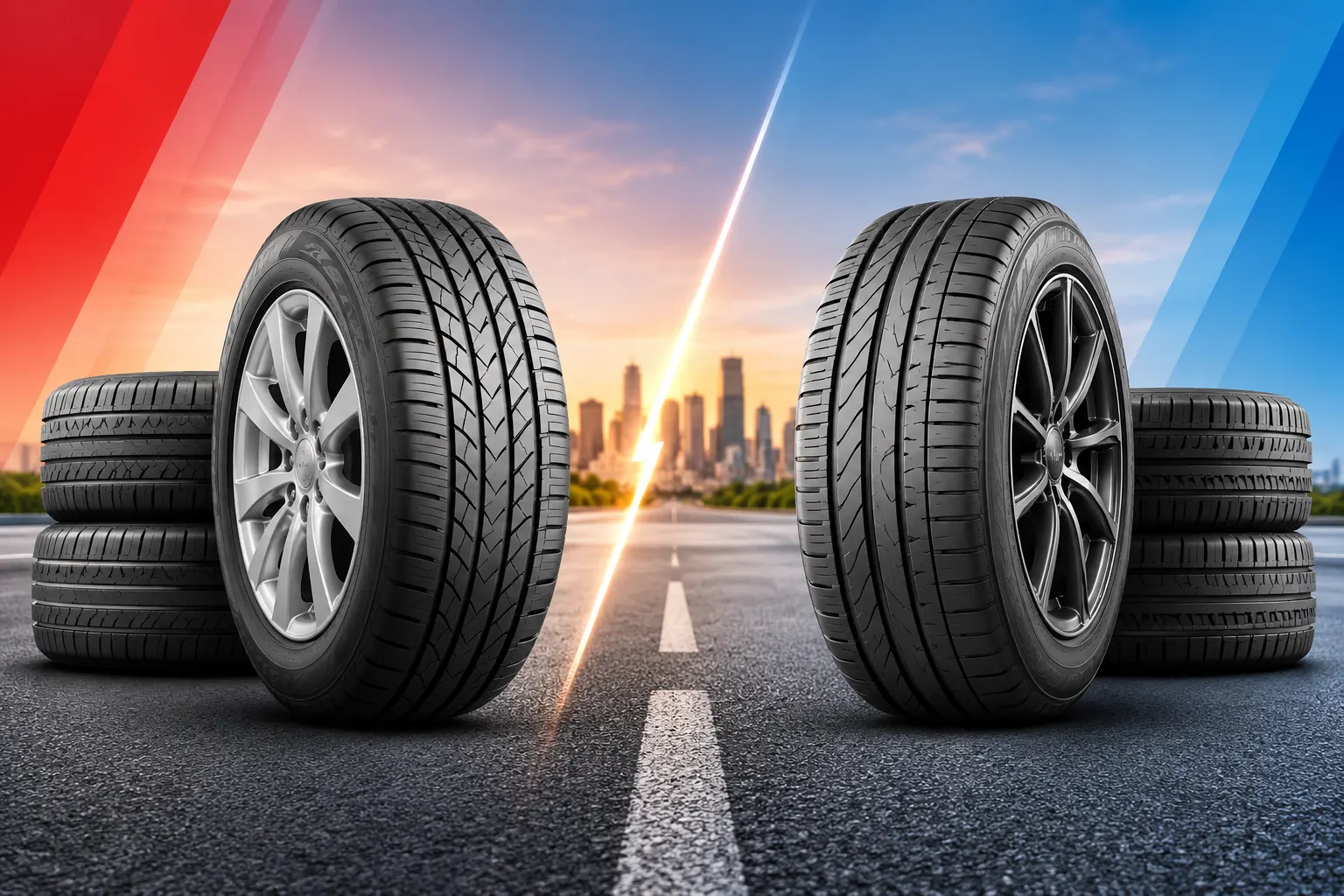
In this guide, we compare Firestone and Yokohama tyres on the factors that matter most, so you can make a confident, informed choice.
A Quick Look at Both Brands
Firestone
Firestone is an American tyre brand founded in 1900 by Harvey Firestone and is now part of the Bridgestone Group. It has a long history in motorsport, especially IndyCar racing, and is known for dependable, value-focused tyres for everyday cars, SUVs, pickups and light trucks. Popular ranges include the Destination series for SUVs and 4x4s, the Firehawk series for performance driving, and Transforce for light commercial vehicles.
Yokohama
Yokohama is a Japanese tyre manufacturer founded in 1917. It is known for engineering precision, strong performance credentials and a focus on fuel-efficient technology. Its best-known ranges include ADVAN for high-performance and sports cars, BluEarth for fuel efficiency and comfort, and Geolandar for SUVs and off-road vehicles.
Firestone vs Yokohama: Head-to-Head Comparison
Performance and Handling
If sharp handling and precise steering response are your priorities, Yokohama has the edge. Its ADVAN range is widely used on performance and sports cars and offers excellent grip in both dry and wet conditions. Yokohama's motorsport and engineering background shows in how its tyres feel at higher speeds and through corners.
Firestone's Firehawk tyres also deliver good grip and stable handling. However, most Firestone tyres are designed to balance performance, durability and value rather than to give an outright sporty feel. For everyday commuting and family driving, Firestone's handling is more than capable.
Ride Comfort and Noise
Both brands make comfortable touring tyres. Yokohama's BluEarth range is designed to reduce road noise and deliver a smooth, quiet ride, which makes it a strong choice for sedans, hatchbacks and hybrids.
Firestone's touring and SUV tyres also offer a comfortable ride, with tread patterns designed to absorb bumps and reduce vibration. On rough roads and long highway journeys, many drivers find Firestone tyres smooth and predictable.
Durability and Tread Life
Durability is one of Firestone's biggest strengths. Its tyres use tough compounds and strong construction, and many models come with generous treadwear warranties. That makes Firestone a popular choice for high-mileage drivers, and for SUVs, pickups and light commercial vehicles that carry heavy loads.
Yokohama tyres are also durable, especially the touring and SUV ranges. Its performance tyres, though, use softer compounds that trade some tread life for extra grip.
Winner: Firestone, for long-lasting tread and toughness.
Fuel Efficiency
Yokohama has invested heavily in low rolling resistance technology through its BluEarth range. These tyres are designed to reduce the energy lost as the tyre rolls, which can help improve fuel economy and lower emissions.
Firestone also offers fuel-efficient options, but fuel economy is a more central part of Yokohama's brand identity.
Winner: Yokohama, for eco-conscious drivers.
SUV and Off-Road Performance
Both brands are strong here. Firestone's Destination range covers highway, all-terrain and mud-terrain driving and is well regarded for strength and traction. Yokohama's Geolandar range is equally respected, with options for highway cruising, desert sand, gravel and rocky trails.
Winner: A tie. Choose based on the specific model and how you use your vehicle.
Price and Value for Money
Firestone tyres are generally mid-range in price and offer strong value for their durability and reliability. Yokohama tyres often cost slightly more, especially in the ADVAN performance range, which reflects their technology and performance focus. Prices vary by size, model and market, so compare the exact tyre for your vehicle.
Winner: Firestone, for budget-conscious drivers who still want quality.
Which Brand Should You Choose?
The right choice depends on how and where you drive.
Choose Firestone if you:
- Drive long distances and want tyres that last
- Own an SUV, pickup or light commercial vehicle
- Want reliable, all-round performance at a fair price
Choose Yokohama if you:
- Want sharp handling and a sportier feel
- Drive a performance car, sedan or hybrid
- Value a quiet ride and better fuel efficiency
Whichever brand you choose, make sure the tyre size, load index and speed rating match your vehicle manufacturer's recommendations. Also think about your local climate and road conditions. In hot climates, heat resistance and tread durability matter even more. Check the manufacturing date on the sidewall (the DOT code) too, so you're buying fresh tyres rather than old stock.
Conclusion
There is no single winner in the Firestone vs Yokohama debate. Both are trusted brands that make safe, high-quality tyres. Firestone stands out for durability, toughness and value, which makes it ideal for high-mileage drivers, SUVs and work vehicles. Yokohama shines in performance, comfort and fuel efficiency, which makes it a great match for drivers who enjoy a responsive, refined drive.
The best way to decide is to get expert advice based on your vehicle, driving habits and budget. At Grip and Go Tyres, our team can help you compare Firestone and Yokohama tyres side by side, recommend the right size and model for your car, and fit them professionally. Visit Grip and Go Tyres today and drive away on tyres that suit the way you drive.
Frequently Asked Questions
Is Firestone or Yokohama better overall?
Neither brand is better for everyone. Firestone is better for durability, long tread life and value, especially on SUVs and light trucks. Yokohama is better for handling, quiet comfort and fuel efficiency, especially on sedans, sports cars and hybrids.
Which lasts longer, Firestone or Yokohama tyres?
Firestone tyres generally last longer because they use tough compounds and often come with strong treadwear warranties. Yokohama's touring tyres are also durable, but its performance tyres wear faster because their softer rubber gives extra grip.
Are Yokohama tyres good for fuel economy?
Yes. Yokohama's BluEarth range uses low rolling resistance technology that helps reduce fuel consumption and emissions. That makes it a good choice for daily commuters and hybrid vehicle owners.
- Share this:

-