





Wheels
Do Alloy Wheels Improve Fuel Efficiency?
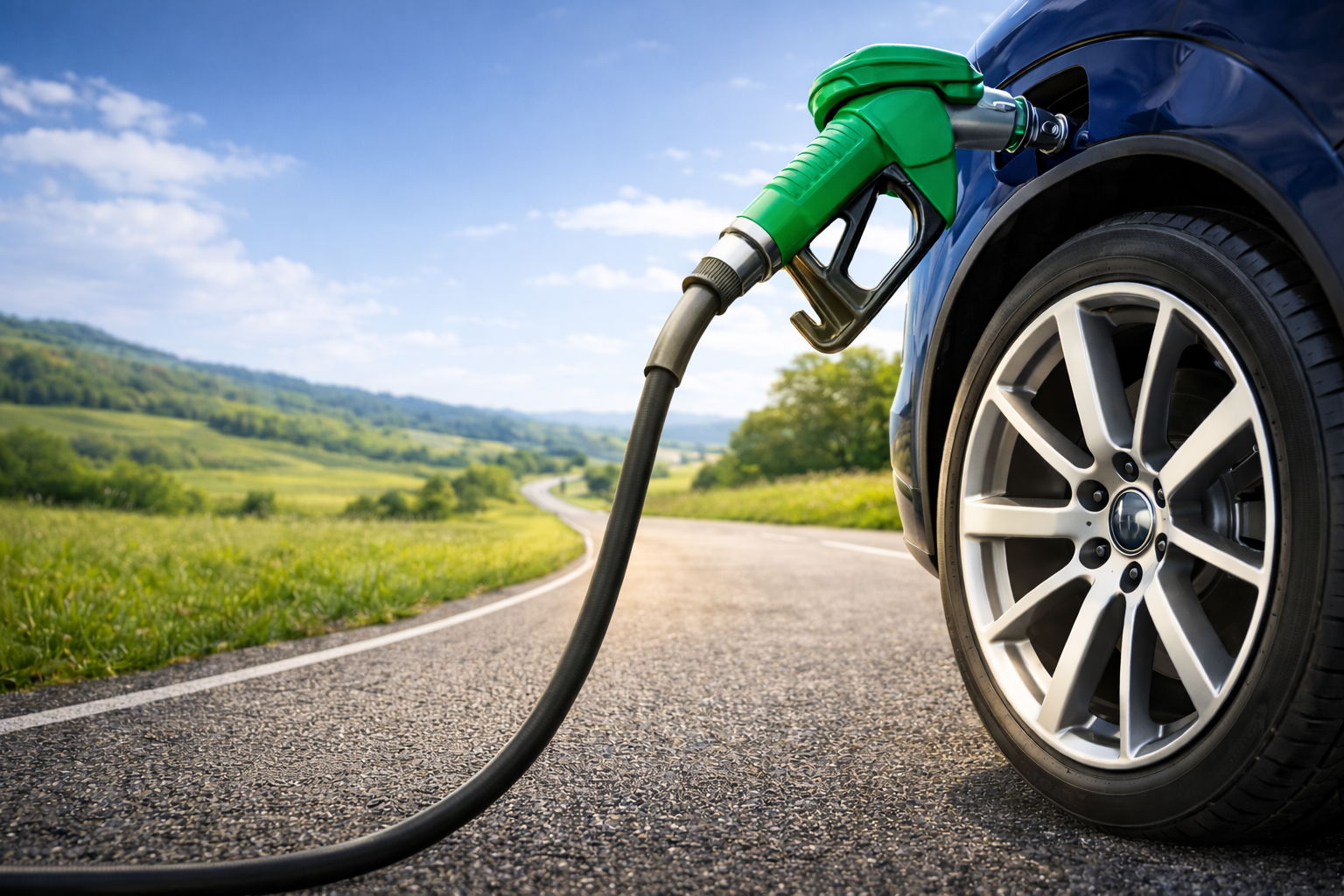
The short answer is — yes, they can. However, the impact depends on several factors such as wheel weight, size, driving habits, and vehicle type. Let’s break it down in detail.
What Are Alloy Wheels?
Alloy wheels are made from a mixture of aluminum and other metals like magnesium. Compared to traditional steel wheels, alloys are lighter and offer better heat conduction.
They are commonly used on passenger cars, SUVs, and performance vehicles because they enhance both aesthetics and driving performance.
How Alloy Wheels Affect Fuel Efficiency
1. Reduced Weight Improves Mileage
One of the biggest advantages of alloy wheels is their lighter weight compared to steel wheels. Lower weight reduces the overall mass of the vehicle, which means:
-
Less energy is required to move the car
-
Reduced strain on the engine
-
Improved fuel economy over time
This is especially noticeable in city driving where frequent acceleration and braking occur.
2. Lower Rotational Mass
Wheels are part of the vehicle’s unsprung weight and rotational mass. Since alloy wheels are lighter, they reduce rotational resistance. This means:
-
Quicker acceleration
-
Better braking response
-
Slight improvement in fuel consumption
Even small reductions in rotational weight can positively impact efficiency.
3. Better Heat Dissipation
Alloy wheels dissipate heat more effectively than steel wheels. This helps maintain optimal tyre pressure and braking performance.
Proper tyre pressure plays a key role in fuel efficiency. Under-inflated tyres increase rolling resistance, which leads to higher fuel consumption. Alloy wheels indirectly help maintain better efficiency by supporting stable tyre performance.
Do Bigger Alloy Wheels Reduce Fuel Efficiency?
While alloy wheels can improve fuel efficiency, larger wheel sizes may reduce it.
-
Bigger wheels are usually heavier
-
Wider tyres increase rolling resistance
-
Larger diameters can affect aerodynamics
If you upgrade to larger alloys purely for style, fuel economy may slightly decrease. Choosing the right size recommended for your vehicle is important.
Are Alloy Wheels Worth It for Fuel Savings?
The fuel savings from alloy wheels are generally modest. You may not see dramatic improvements, but over time, small gains in fuel efficiency can add up.
The biggest advantages of alloy wheels include:
- Improved vehicle handling
- Better acceleration
- Enhanced braking
- Stylish appearance
- Increased resale value
Best Practices to Maximize Fuel Efficiency
Whether you use alloy or steel wheels, you can improve mileage by:
-
Maintaining correct tyre pressure
-
Choosing fuel-efficient tyres
-
Avoiding aggressive driving
-
Performing regular wheel alignment
-
Keeping wheels properly balanced
At Grip and Go Tyres, we provide expert wheel and tyre solutions including alloy wheels, tyre fitting, balancing, and wheel alignment services to help maximize your vehicle’s performance and fuel efficiency.
Conclusion
Yes, alloy wheels can improve fuel efficiency, mainly because they are lighter than steel wheels and reduce rotational mass. However, the improvement is usually moderate and depends on choosing the correct size and maintaining proper tyre care.
If you are considering upgrading your wheels, alloy wheels offer a combination of better performance, improved handling, and potential fuel savings. At Grip and Go Tyres, our team can help you select the right alloy wheels and tyres that match your vehicle and driving needs.
Visit Grip and Go Tyres today to explore high-quality alloy wheel options designed for style, safety, and performance.
FAQ's
1. Do alloy wheels really save fuel?
Yes, alloy wheels can slightly improve fuel efficiency because they are lighter than steel wheels, reducing overall vehicle weight and rotational resistance.
2. How much fuel efficiency improvement can I expect?
The improvement is usually moderate. Fuel savings depend on wheel size, tyre type, driving habits, and vehicle condition.
3. Do larger alloy wheels reduce mileage?
Yes, larger or wider alloy wheels can reduce fuel efficiency due to increased weight and rolling resistance. Choosing the correct size is important.
4. Are alloy wheels better than steel wheels for daily driving?
Alloy wheels generally offer better handling, heat dissipation, and slightly improved fuel efficiency, making them a good option for daily driving.
5. Where can I buy quality alloy wheels?
- Share this:

-