





Tyres
Bridgestone vs Michelin Tyres: Which Is Better?
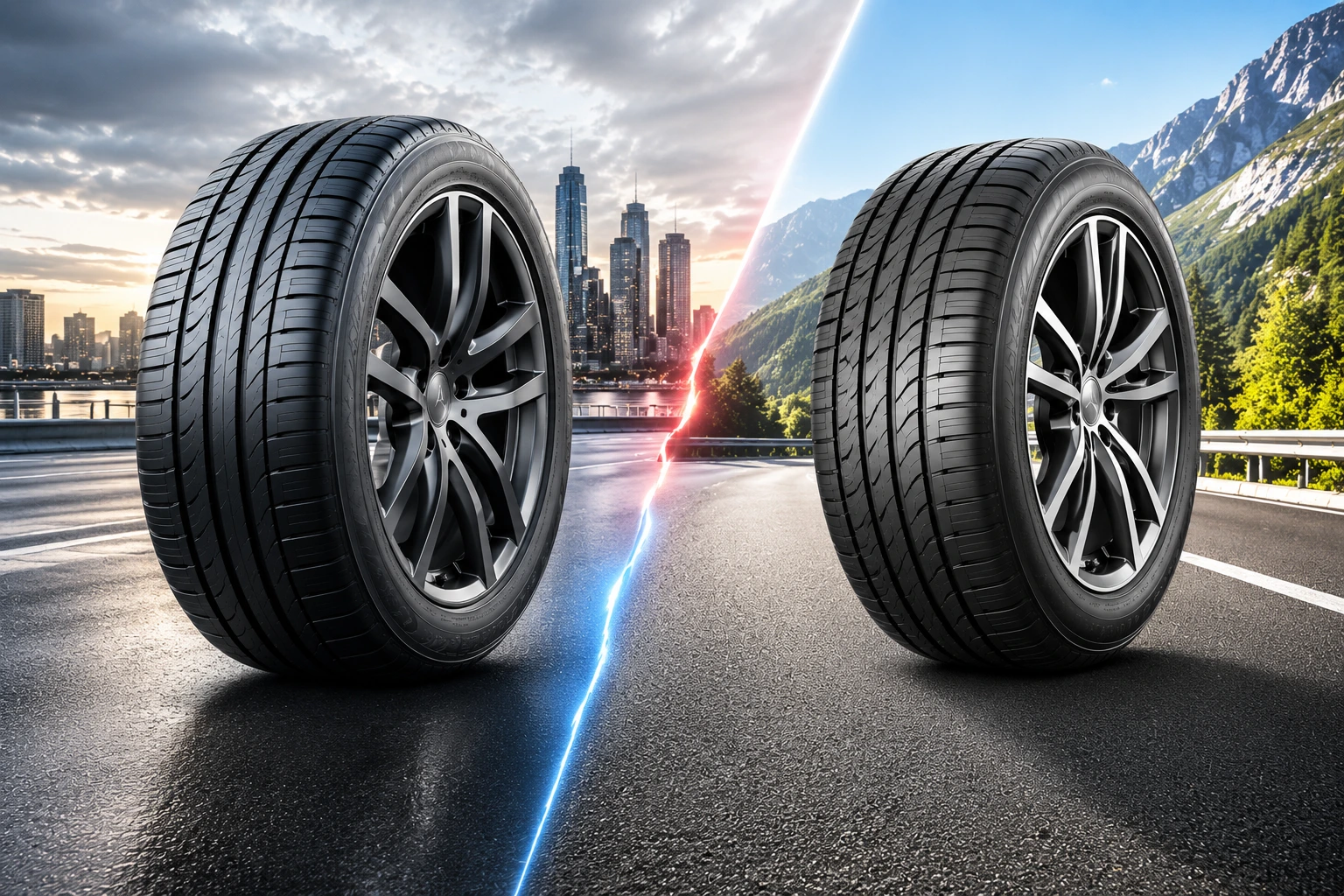
But when it comes to Bridgestone vs Michelin tyres, which brand is the better choice? The answer depends on your driving habits, budget, road conditions, and vehicle type.
In this guide, we'll compare both tyre brands in terms of performance, comfort, durability, fuel efficiency, pricing, and overall value to help you make an informed decision.
About Bridgestone Tyres
Bridgestone is one of the world's largest tyre manufacturers, headquartered in Japan. The brand is known for producing reliable tyres for passenger cars, SUVs, 4WDs, commercial vehicles, and motorsports.
Bridgestone focuses heavily on durability, safety, and all-weather performance. Its tyres are widely chosen by vehicle manufacturers as original equipment (OE) because of their dependable quality.
Popular Bridgestone Tyre Series
- Bridgestone Potenza
- Bridgestone Turanza
- Bridgestone Dueler
- Bridgestone Ecopia
- Bridgestone Alenza
About Michelin Tyres
Michelin, founded in France, has built a reputation for manufacturing premium tyres that deliver exceptional comfort, longevity, and fuel efficiency. The company invests heavily in research and development, making it one of the industry's most innovative tyre brands.
Michelin tyres are often preferred by drivers looking for a smooth ride, excellent wet-weather grip, and long-lasting tread life.
Popular Michelin Tyre Series
- Michelin Primacy
- Michelin Pilot Sport
- Michelin Latitude
- Michelin Defender
- Michelin CrossClimate
Performance Comparison
Dry Road Performance
Both brands offer exceptional handling on dry roads.
Bridgestone tyres provide responsive steering and predictable cornering, making them an excellent choice for everyday driving and highway travel.
Michelin tyres are engineered with advanced rubber compounds that provide outstanding grip while maintaining ride comfort. Their premium performance tyres, such as the Pilot Sport series, are especially popular among enthusiasts.
Wet Road Performance
Driving safely in wet conditions depends largely on tyre grip and water evacuation.
Bridgestone uses advanced tread designs that effectively disperse water, reducing the risk of hydroplaning.
Michelin tyres feature innovative silica compounds and specially designed grooves that maintain excellent traction even during heavy rain.
Both brands perform exceptionally well, but Michelin often scores slightly higher in independent wet braking tests.
Ride Comfort
Ride comfort is one of the biggest differences between these brands.
Michelin tyres are designed to absorb road imperfections, resulting in smoother rides with lower cabin noise. They are particularly suitable for long-distance driving and luxury vehicles.
Bridgestone tyres also offer comfortable rides but generally have a firmer feel, especially performance-oriented models.
Tyre Durability
Durability is essential for reducing replacement costs.
Bridgestone tyres are built with strong sidewalls and robust construction, making them ideal for rough roads and varying Australian driving conditions.
Michelin tyres are famous for their long tread life thanks to advanced rubber compounds that wear evenly over time.
Many drivers report getting more kilometres from Michelin tyres compared to competing brands.
Fuel Efficiency
Rolling resistance affects fuel consumption.
Michelin has invested heavily in low rolling resistance technologies, allowing many of its tyres to improve fuel economy.
Bridgestone also offers fuel-efficient options, particularly the Ecopia range, but Michelin generally performs better in this category.
Road Noise
Cabin comfort often depends on tyre noise.
Michelin tyres are among the quietest premium tyres available, making them an excellent option for family cars and daily commuters.
Bridgestone tyres are also relatively quiet, although some performance models produce slightly more road noise.
Handling and Cornering
Drivers who enjoy spirited driving appreciate responsive handling.
Bridgestone's Potenza series delivers excellent cornering stability and steering precision, making it popular among sports car owners.
Michelin's Pilot Sport series is regarded as one of the best high-performance tyres globally, offering remarkable grip and confidence during aggressive driving.
Off-Road Performance
If you drive SUVs or 4WD vehicles, off-road capability becomes important.
Bridgestone's Dueler range is designed specifically for off-road adventures, offering excellent durability and traction across dirt, gravel, and rocky terrain.
Michelin also offers capable SUV tyres like the Latitude series, but Bridgestone generally has a stronger reputation among off-road enthusiasts.
Value for Money
Bridgestone tyres usually come at a slightly lower price than Michelin while still delivering impressive performance and reliability.
Michelin tyres often cost more upfront but typically last longer, making them more economical over their lifespan.
If your priority is lower initial cost, Bridgestone offers excellent value.
If you're focused on long-term savings, Michelin may provide better overall value.
Which Brand Lasts Longer?
Michelin tyres consistently rank among the longest-lasting premium tyres thanks to their advanced tread compounds and even wear characteristics.
Bridgestone tyres also offer excellent longevity, especially when maintained with regular wheel alignments and tyre rotations.
For drivers covering high annual mileage, Michelin often becomes the more cost-effective choice over time.
Which Brand Is Better for Australian Roads?
Choose Bridgestone if you:
- Want excellent value
- Frequently drive on rough roads
- Own a 4WD or SUV
- Prefer durable tyres
- Need reliable everyday performance
Choose Michelin if you:
- Prioritise ride comfort
- Drive long distances regularly
- Want maximum fuel efficiency
- Prefer quieter tyres
- Need premium all-round performance
Bridgestone vs Michelin: Pros and Cons
Bridgestone Pros
- Excellent durability
- Great off-road options
- Strong wet-weather performance
- Good value for money
- Wide range of tyre models
Bridgestone Cons
- Slightly firmer ride
- Some models wear faster than Michelin
Michelin Pros
- Outstanding comfort
- Longer tread life
- Excellent fuel efficiency
- Very quiet ride
- Premium wet and dry grip
Michelin Cons
- Higher purchase price
- Premium models can be expensive
Conclusion
Whether you choose Bridgestone or Michelin, both brands are recognised worldwide for their quality, safety, and performance. Selecting the right tyre should be based on how and where you drive rather than simply choosing the most popular brand.
At Grip and Go Tyres, we stock a wide range of genuine Bridgestone and Michelin tyres for passenger vehicles, SUVs, 4WDs, and commercial vehicles. Our experienced team can help you compare tyre options based on your vehicle, budget, and driving requirements. We also provide professional tyre fitting, wheel balancing, wheel alignments, and expert advice to ensure you get the best value and performance from your investment. Visit Grip and Go Tyres today to find the perfect tyres for your next journey.
Frequently Asked Questions (FAQs)
1. Which is better, Bridgestone or Michelin tyres?
Michelin tyres generally offer better comfort, longer tread life, and improved fuel efficiency, while Bridgestone tyres are known for durability, reliable performance, and excellent value. The better choice depends on your driving needs and budget.
2. Do Michelin tyres last longer than Bridgestone?
Yes. In many cases, Michelin tyres have a longer tread life due to advanced rubber compounds and even wear technology. However, regular tyre maintenance also plays a major role in tyre longevity.
3. Are Bridgestone tyres good for Australian roads?
Yes. Bridgestone tyres are designed to handle a wide range of Australian road conditions, including highways, city roads, gravel roads, and off-road terrain, making them a popular choice for everyday drivers and 4WD owners.
4. Which tyre brand offers better fuel efficiency?
Michelin tyres generally provide better fuel efficiency because they feature low rolling resistance technology, helping reduce fuel consumption over long distances.
5. Should I choose Bridgestone or Michelin for my SUV?
If you frequently drive off-road or on rough terrain, Bridgestone's Dueler range is an excellent choice. If your SUV is mainly used for city driving and long highway trips where comfort and longevity matter most, Michelin's Latitude range is a great option.
- Share this:

-